Saturday, 22 December 2018

Health Eating When You’re Older


Ageing and Time are two things that don’t stop for anyone; or anything. After a point of time in one’s life, the body becomes comparatively weaker to our younger self, based on the food that we eat. Old people don’t require the same amount of kilojoules as the body is less active, but it will always require nutrients to have a healthy life. Sometimes more nutrition is required – such as milk for calcium to keep the bones strong, and foods that have more energy.

Here are some healthy eating tips for the elderly:
  • Be Physically Active –
More than having a diet plan for an old age person, exercising regularly is the key integral aspect that would keep one healthy. A regular stretching of the body accompanied by a light run or a jog will ensure that the body goes through the wear and tear every day and thus functions well.
  • Nutritional Food –
Some essential foods for senior citizens would be to eat fruits and vegetables. They can be fresh, frozen, or canned. Eat more dark green vegetables such as leafy greens or broccoli, and orange vegetables such as carrots and sweet potatoes. Vary protein choices with more fish, beans, and peas. Eat at least three ounces of whole-grain cereals, bread, crackers or rice every day.
  • Drink Plenty of Water –
Along with a proper diet for senior citizens, water is equally important. As people get older, they often don’t feel thirsty even when their body wants fluids. They need to take regular drinks, which can include water and other drinks such as soda water, fruit juice and milk. Small amounts of tea and coffee can also be included in order to keep their system and body hydrated.
Other than the above, there are a few dietary guidelines for the elderly that one needs to follow to have a fit lifestyle. These are:
  • Choose foods that are high in fiber, such as fruits, vegetables, legumes and wholegrain varieties of bread and cereals, to encourage good bowel health.
  • Be sure to eat protein-rich foods such as meat, fish, poultry, eggs, soy, beans, and nuts. Our need for protein increases when we reach our 70s – protein in the diet helps heal wounds, which can be important as older people often undergo more injuries and surgeries.
  • Enjoy foods high in calcium such as low-fat milk, cheese, custard and yoghurt to help prevent or slow the progression of osteoporosis. Calcium-enriched soy milk and fish with soft, edible bones such as canned salmon or sardines, are the most popular healthy food for old age.
  • Vitamin D is also important in bone health for old age diet and nutrition. We mainly get Vitamin D from sunlight, and smaller amounts from foods including dairy products, cheese, eggs etc. If you are mostly confined indoors and don’t get much exposure to sunlight, you should seek advice from a medical professional about Vitamin D supplements.
  • Limit the saturated fats you eat and keep an eye on your total fat intake.
  • Limit the use of salt and choose foods that are low in salt. As the years go by, sadly our sense of taste can decrease. But rather than adding salt, have a look at other ways to add flavour to foods, such as with spices or fresh herbs.
As you become more seasoned, in case you’re overweight, you’ll turn out to be less versatile. This can influence your well-being and personal satisfaction. Being overweight likewise builds your risk of infections, for example, coronary illness and diabetes.
Being underweight isn’t sound either and might be an indication that you’re not eating enough or that you’re unwell. Being underweight likewise builds your risk of osteoporosis.
In case you’re stressed over your weight, and don’t know what the ideal healthy weight for older adults, request that your specialist check it. They may allude you to a dietitian, who can teach you how to reduce weight and help to change what you eat to meet your present needs and put you on weight loss diet.

Friday, 21 December 2018

Dangers of Keto DIet


A keto diet is famous for being a low carb diet to initiate weight loss, where the body produces ketones in the liver to be used as energy. By lowering the intake of carbs, and increasing the intake of fats, our body is induced into a state of ketosis. Ketosis is a natural process the body initiates to aid us to survive when the food intake is low. Although the end goal of a keto diet is to lose weight by forcing the body into a metabolic state, this can have adverse short term and long terms side effects on the body.
  1. Keto Flu
One of the most common side effects of Keto diet is the keto flu. Sudden carbohydrate withdrawal leads to people reporting mood swings, irritation, fatigue, dizziness and nausea. Keto flu is one of the main reasons for stopping progress on a ketogenic diet as the body takes time to adapt to use fat to fuel.
  1. Heart Diseases and Keto Diabetes
Another major health risk associated with following a ketogenic diet is increased risk of heart diseases and keto diet diabetes. Also known as a cardiologist’s nightmare, ketogenic diet adds to increased cholesterol due to high intake of fatty foods. In certain cases, it may raise the risk of dying from cancer and may also result in heart attacks among other cardiovascular diseases.
  1. Loss of Muscle Tissues
The longer you are on a ketogenic diet, the more fat you burn as this diet for weight loss may lead to loss of muscle tissue. While protein is considered as the powerhouse muscle builder, carbohydrates are vital in maintaining and forming muscles. In the process of losing muscles, there are high possibilities of the heart getting damaged as well.
  1. Nutritional Deficiencies
Another danger of following a keto diet is that may introduce nutritional deficiencies due to not being able to consume adequate minerals, vitamins and nutrients. Renowned nutritionists around the globe do no recommend this as a long-term diet as it is not a balanced diet.  Keto diet also eliminates the consumption of essential food groups such as legumes, beans, whole grains, certain fruits, and vegetables.
  1. Athletic Underperformance
Although athletes claim that following a keto diet has led to improved performances due to rapid weight loss, dieticians do not agree with this. Studies have shown that the human body is in a more acidic state when it’s in ketosis, which may limit its ability to perform at peak levels.
  1. Loss of Electrolyte
When you switch to a keto diet, and radically reduce the intake of carbs and processed foods, the body’s sodium and electrolyte levels also decrease. Due to this, you are likely to face symptoms as racing heartbeat, palpitations, dizziness, constipation, and bloating.
  1. Instant Weight Gain
Apart from this, one of the main problems people face after they discontinue their ketogenic diet is instant weight gain. Keto diet is very restrictive and therefore becomes an inappropriate diet to follow in the long term. Once the person goes back to devouring carbs, they are very likely to reverse the effect of keto diet by putting on excess weight. This diet mainly appeals to people who have unhealthy relationships with food thus leading to issues relating to portion control and binge eating.
In conclusion, every coin has two sides, keto will help to reduce weight, boost energy, prevent certain diseases only if it is performed in the appropriate manner. Going to extreme lengths and radically changing your diet may not be suitable for your body.

Tuesday, 18 December 2018

Why do you always feel hungry?


What are hunger pangs? Hunger pangs (also called hunger pains) are the result of an irritation of the lining of the stomach, it’s what you feel when you are feeling hungry all the time. Do you ever wonder why you are always hungry? When the stomach empties after the digestion of a meal, its walls come into contact and rub against each other, causing discomfort. This is one of the common symptoms of being hungry and feeling hungry all the time.
There are various causes and effects of hunger pangs which leads to the notion of you feeling hungry most of the times even when you aren’t really hungry, as there are many harmful effects of starvation on the human body. Hence, one must be aware of the signs and symptoms of starvation.
Some of the causes are:

  • When you feel dehydrated.
Mild dehydration is often misunderstood as severe feeling of being hungry. This feeling of dehydration is caused by the confusion that takes place in the hypothalamus, which is a part of the brain that regulates both thirst and appetite. Dehydration can often be solved by drinking at least 8-10 glasses of water in a day. In this way, one will feel hydrated enough to avoid getting hunger pangs.
  • When you load up on starchy carbs.
One must have noticed that whenever we have a donut, or a cookie, or a pastry we usually have the urge of eating more then, and that urge then leaves us to leave only a few cookie crumbs inside that big cookie box. Simple carbs, the kind found in sugary, white flour foods like pastries, crackers, and cookies, spike your blood sugar levels quickly, then leave them plunging soon after. That blood sugar plunge causes intense hunger for more sugary carbs, and the cycle continues. In order to avoid such fluctuating blood sugar levels, one must have more complex and filling carbs that consist more of fiber like almonds, apples, etc. If one is looking for tips on weight gain, it might be helpful to indulge in carbs, but not otherwise.
  • When you consume too much of alcohol
One most often misunderstands the feeling of dehydration with hunger pangs right after a good consumption of alcohol. Alcohol usually tricks you into feeling hungrier when actually, it is the feeling of dehydration where your body needs that one glass of water. Alcohol actually makes you dehydrated. One can avoid that by having 2 glasses of water over those 2 slices of pizza. This water trick can also help sometimes as part of a quick weight loss diet plan.
  • When one must have more of proteins
It is usually said that one must eat less in order to lose weight and control their hunger patterns but the contrary, it is said by most of the dieticians that one must fill their plates with a lot of food that includes more of lean proteins like dals, meat, paneer, sprouts, etc. Proteins not only does give you the feeling of fullness but also has a suppressing appetite effect. It also does increase your metabolism and solves a lot other health-related problems.
  • When you skip your meals
Skipping meals tends to leave your stomach empty for long periods of time which then backfires on you in the form of strong hunger pangs. Hence, it is said that must keeping having something in every two hours throughout the day in order to avoid satiety.
  • When you are on some kind of medication
Certain medicines that you might be taking in order to treat a certain health disease leaves you with a side effect of feeling hungry even after having a normal sized meal. One can avoid this by consulting a doctor and asking for an alternate drug.

In conclusion, hunger pangs or having the feeling of hungriness is something that one can work on by avoiding a few things and substituting them with healthier options.

Friday, 30 November 2018


How PCOS might be affecting your weight


Trying to lose weight but the weighing machine just doesn’t seem to comply? There is more to it than meets the eye when it comes to weight gain.  Binge eating unhealthy food, large portion size, inactive lifestyle, less sleep or even stress are not the only reasons why your favorite pair of jeans doesn’t fit anymore.
One such medical reason is Polycystic Ovarian Syndrome (PCOS). Women diagnosed with PCOS often find it extremely difficult to lose weight. Medical reasons can also cause weight gain and no matter how much you exercise or even go on a strict healthy diet plan the weight seems to increase. Polycystic ovary syndrome patients with high Body Mass Index tend to have functional disorders.
However, it isn’t quite clear if polycystic ovary syndrome and weight gain have a cause and effect relationship. PCOS is a condition characterized by an imbalance of reproductive hormones i.e. too many androgens, or “male hormones” in particular. Such an imbalance can often result in nasty weight gain around the waist area, which in turn results in more fat accumulation. The fat near the abdominal area reduces responsiveness to insulin making you likely to gain more weight. With PCOS, the bodies metabolism rate is lower than average. Women suffering from PCOS often complain about their hunger hormone being all over the place; they feel hungry even when their body does not need food.
Along with insulin resistance, women suffering from PCOS experience emotional imbalance and find themselves to be over-stressed or even depressed.
High blood pressure, sleep apnea, infertility, type 2 diabetes and Endometrial cancer are risks associated with PCOS and weight gain. Many of these conditions can lead to heart disease. In fact, women with PCOS are four to seven times more likely to have a heart attack than women of the same age without the condition.
It is often observed that along with the right medical treatment and well-scheduled exercise one can lose weight inspite of having Polycystic Ovarian Syndrome. Losing weight can restore normal functioning of hormones and reduce insulin resistance by 50%.
Tips for losing weight with PCOS:
  1. Eat without distraction, as it helps reduce overeating
  2. Add spices to your food, a sprinkle cinnamon in your coffee or tea can help
  3. Squat it out! A great exercise that is fantastic for losing weight, as well as keeping fit.
  4. Add more walking in your day, spending any spare time exercising can go a long way.
  5. Say no to processed food.
The best way to lose weight is by achieving the right combination of physical workout and diet.
Experts recommend best diet for PCOS containing low-carb, high-fiber and low-sugar to women suffering from PCOS, they also recommend exercising first and then eating to regulate body metabolism. Focus on making small changes to your lifestyle and that should help! PCOS and its effects can be combated with the right care and adjustments.

Tuesday, 30 October 2018

It’s harder to lose weight when you are short- Myth or Reality?

Do you have problems reaching the top shelf? Is it even harder to find an outfit of your size? These problems, that have stumbled across your way due to the fact that you are on the shorter side, might make life seem harder than usual.
Then, you hear that it might be harder to lose weight if you are short. And you hope that it’s a myth that has no logical or scientific reason behind it. Well, it’s time to find out!
Why is it harder to lose weight when you are short?
 Let’s assume that you are 5’2” and your friend is 5’8”. Then, you will be required to consume far less amount of calories than your friend in order to lose the same amount of weight; considering all the other factors including activity level and overall health, are constant.
This is because your muscle mass and the speed at which your metabolism works are directly related to each other i.e. the more muscle mass you have, the more calories you are likely to burn doing the same activity. Taller people have more muscle mass just owing to their body structure. Thus, they are more likely to burn calories faster than shorter people, while doing the same activity. This is the reason why shorter people have to follow diet tips for slow metabolism more rigorously than taller people do.
Your Basal Metabolic Rate (BMR) determines how many calories your body burns at rest. Lean muscle mass has an impact on your BMR. The more lean muscle you have, the higher your BMR will be, and the more you can eat. Thus, higher your BMR is, the less work you have to do to account for extra calories eaten.
An average woman has a BMR of 1,400 calories per day. Women who are shorter than 5 feet have BMRs of 1,200 calories while those who are taller than 5’9” have BMRs of about 1,750 or more. These figures indicate the number of calories lost if a person sleeps for 24 hours. It is evidently clear, the taller you are, the more calories you burn with lesser effort.
So, how do short women stay in shape? 
Looking for some weight loss tips? Being short is just a roadblock in your quest to lose weight and it’s definitely not the end. You can easily lose weight if you do it the right way. We’ve got the best weight loss program for women that you can use to keep yourself in shape.
These short girl weight loss tips can help you immensely in your “quest for shape” –
  1. You need a diet plan to lose weight: In order to lose weight, you need to take in the right amount of calories that you can burn through the course of the day. It is also necessary to have the calories in the right form. Protein is really good for weight loss and so are vitamins and minerals. Protein not only keeps you fuller for longer, but it helps your body build and repair muscles -just what you need for a higher BMR. Vitamins and minerals are also very helpful for your muscle mass.
  2. Lift weights: You can catch up with the metabolic rates of your taller friends by lifting weights. Keep this in mind that the heavier you lift, the better off you are. Thus, it is better to lift 10kg weights once rather than lifting 4kg weights thrice. Since lifting weights will increase your metabolism, it will help you burn calories faster. In turn, this will help you grow thinner.
  3. Eat for your needs: While it is unhealthy to eat more than you need just to satisfy your mind, it is also unhealthy to go on a crash diet as it slows up your metabolism even further. Thus, it is in your best interests that you eat for your needs, not more or less.
  4. Consult an expert: Speak to a registered dietitian or a health expert regarding what is the best way to go forward for you. Also, there is a BMI calculator for women and calorie calculator for weight loss that will help you go about in planning your way forward in terms of your diet.
With this, we can conclude, it is hard to lose weight when you are short, but surely not impossible! With the right kind of diet and lifestyle, there’s always hope.

Monday, 24 September 2018

A nutritious diet, not just for weight loss but for overall health

 Nutritious Diet for Weight Loss

You want to lose weight and you type how to lose weight in a week on Google, hoping to land onto a crash diet that works magic on your body and your fat just vanishes into thin air. Well, most of the times you end up disappointed as nothing works the magic that was promised. While when it does actually work and you lose quite a lot of weight, you tend to gain it back almost as quickly as you lost it or maybe at double the speed.
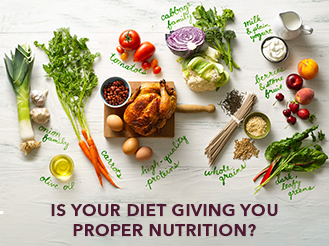
What you actually need is a healthy diet plan to lose weight. A quick weight loss diet plan is not going to work in the long run, it might even be harmful to your body. It is necessary to have nutrition food for weight loss. You need to follow a balanced diet program that consists of all the necessary nutrients that your body requires, in the right quantities. A consistent intake of a balanced diet is the best diet to lose weight fast.
Also, a calorie calculator for food as well as a body mass index calculator are amazing tools to customize your balanced diet according to your body.
What is a balanced diet?
A balanced diet is a diet that consists of the right amount of calories consumed in the right form, in the form of nutrients that your body requires for its functioning. A balanced diet can be achieved by consuming the majority of your calories in the form of :-
  1. Fruits
Fruit is one of the six essential food groups recommended for a healthy diet. Fruits are the best food that can be consumed on an empty stomach. It acts as a great source of nutrition as well as a good snack. Although fruits are high on sugar, they contain natural sugars. Besides, there are several low-sugar fruits available such as citrus and peaches. It should also be noted that fruits are far more helpful when consumed in a raw form, rather than as a juice.
  1. Vegetables
Vegetables contain essential vitamins and minerals and they are full of fiber too. This makes them a crucial component of a healthy diet. There are various sub-groups under vegetables: dark green vegetables, orange vegetables, dry beans and peas, starchy vegetables and many other vegetables. All of them are great sources of nutrition, but green leafy vegetables are the ones that have the most nutrition value.
  1. Proteins
Proteins primarily help with the development of the brain, muscles, skin, and hair. A typical adult should consume a maximum 50 grams of protein per day. Meats and beans are rich sources of proteins. For those who do not eat meat; tofu, tempeh, and other soy-based products are excellent sources of protein too.
  1. Dairy
Dairy products provide essential nutrients such as Calcium and Vitamin D. Yogurt, cottage cheese, sour cream, dips and other cultured dairy foods, along with milk, butter and cheese are choices. These products should be taken in moderation though, as they are major sources of fats as well. 
  1. Oils
Oils should be consumed in very low quantities. It is better to opt for low-fat and low-sugar versions of products that contain oil, such as salad dressing and mayonnaise. Good oils can replace fattier vegetable oil in your diet. Olive oil can be considered as a good choice of oil, for your health.
  1. Grains
Whole grains are low in fat and high in fiber. Additionally, they contain complex carbohydrates that help you to feel full longer and prevent overeating. Whole grain bread and whole wheat flour contain whole grains as their primary ingredient. They should be consumed in the right amount.

Monday, 17 September 2018

It's harder to lose weight when you are short- Myth or Reality

Weight Loss Tips for Short Tips 
 
Do you have problems reaching the top shelf? Is it even harder to find an outfit of your size? These problems, that have stumbled across your way due to the fact that you are on the shorter side, might make life seem harder than usual.
Then, you hear that it might be harder to lose weight if you are short. And you hope that it’s a myth that has no logical or scientific reason behind it. Well, it’s time to find out!
Why is it harder to lose weight when you are short?
 Let’s assume that you are 5’2” and your friend is 5’8”. Then, you will be required to consume far less amount of calories than your friend in order to lose the same amount of weight; considering all the other factors including activity level and overall health, are constant.
This is because your muscle mass and the speed at which your metabolism works are directly related to each other i.e. the more muscle mass you have, the more calories you are likely to burn doing the same activity. Taller people have more muscle mass just owing to their body structure. Thus, they are more likely to burn calories faster than shorter people, while doing the same activity. This is the reason why shorter people have to follow diet tips for slow metabolism more rigorously than taller people do.
Your Basal Metabolic Rate (BMR) determines how many calories your body burns at rest. Lean muscle mass has an impact on your BMR. The more lean muscle you have, the higher your BMR will be, and the more you can eat. Thus, higher your BMR is, the less work you have to do to account for extra calories eaten.
An average woman has a BMR of 1,400 calories per day. Women who are shorter than 5 feet have BMRs of 1,200 calories while those who are taller than 5’9” have BMRs of about 1,750 or more. These figures indicate the number of calories lost if a person sleeps for 24 hours. It is evidently clear, the taller you are, the more calories you burn with lesser effort.
So, how do short women stay in shape? 
Looking for some weight loss tips? Being short is just a roadblock in your quest to lose weight and it’s definitely not the end. You can easily lose weight if you do it the right way. We’ve got the best weight loss program for women that you can use to keep yourself in shape.
These short girl weight loss tips can help you immensely in your “quest for shape” –
  1. You need a diet plan to lose weight: In order to lose weight, you need to take in the right amount of calories that you can burn through the course of the day. It is also necessary to have the calories in the right form. Protein is really good for weight loss and so are vitamins and minerals. Protein not only keeps you fuller for longer, but it helps your body build and repair muscles -just what you need for a higher BMR. Vitamins and minerals are also very helpful for your muscle mass.
  2. Lift weights: You can catch up with the metabolic rates of your taller friends by lifting weights. Keep this in mind that the heavier you lift, the better off you are. Thus, it is better to lift 10kg weights once rather than lifting 4kg weights thrice. Since lifting weights will increase your metabolism, it will help you burn calories faster. In turn, this will help you grow thinner.
  3. Eat for your needs: While it is unhealthy to eat more than you need just to satisfy your mind, it is also unhealthy to go on a crash diet as it slows up your metabolism even further. Thus, it is in your best interests that you eat for your needs, not more or less.
  4. Consult an expert: Speak to a registered dietitian or a health expert regarding what is the best way to go forward for you. Also, there is a BMI calculator for women and calorie calculator for weight loss that will help you go about in planning your way forward in terms of your diet.
With this, we can conclude, it is hard to lose weight when you are short, but surely not impossible! With the right kind of diet and lifestyle, there’s always hope.